
Top 10 Most Successful Airliners Ever Built in the World (2026) showcases the aircraft that changed commercial aviation. This ranking is based on performance, reliability, innovation, and global success. Discover the world’s most Successful Airliners and learn why these legendary aircraft continue to lead the aviation industry. From classic icons to modern jets, these Successful Airliners have shaped air travel for decades.
Top 10 Most Successful Airliners Ever Built in the World (2026)
10. McDonnell Douglas DC-9 / MD-80 Family

The McDonnell Douglas DC-9 / MD-80 Family was manufactured by Douglas Aircraft Company, which later became McDonnell Douglas after the companies merged. The DC-9 completed its first flight on 25 February 1965 and entered commercial service with Delta Air Lines on 8 December 1965. The improved MD-80 Family entered service in 1980, offering greater capacity, better fuel efficiency, and longer range. Together, these aircraft became some of the most successful short- and medium-haul airliners of their time. Although they have largely been retired from passenger service, their impact on commercial aviation remains significant.
Technical Specifications: The DC-9 / MD-80 Family is powered by Pratt & Whitney JT8D turbofan engines mounted at the rear of the fuselage. Depending on the model, the aircraft can carry 90 to 172 passengers and has a maximum range of approximately 4,600 km (2,485 nautical miles). The family includes several well-known variants, such as the DC-9, MD-81, MD-82, MD-83, MD-87, and MD-88, each designed to meet different airline requirements.
Operations: For many years, the DC-9 and MD-80 Family served hundreds of airlines across North America, Europe, Asia, and other parts of the world. The aircraft became especially popular for domestic and regional routes because of its dependable performance and simple maintenance. It was also widely used by charter airlines and cargo operators. During its peak years, the family carried millions of passengers annually and became one of the most familiar aircraft at airports worldwide.
Key Features & Major Achievements: The DC-9 / MD-80 Family earned a strong reputation for reliability, durability, and efficient short-haul performance. Its rear-mounted engines provided a quieter cabin and improved airport operations. Over its production life, more than 2,400 aircraft were built, making it one of the most successful commercial aircraft families of its era. The family remained in airline service for several decades and helped shape modern short-haul aviation before being gradually replaced by newer aircraft.
Why It Is Ranked #10: The McDonnell Douglas DC-9 / MD-80 Family is ranked No. 10 because of its long service life, worldwide popularity, and major contribution to commercial aviation. It successfully served airlines for decades with dependable performance and efficient operations, becoming a trusted aircraft for short- and medium-haul routes. Its lasting influence on aircraft design and its important role in airline history make it one of the most successful airliner families ever built.
9. ATR 42/72 Family

The ATR 42/72 Family is manufactured by ATR (Aerei da Trasporto Regionale), a joint venture between Airbus and Leonardo. The ATR 42 completed its first flight on 16 August 1984, while the larger ATR 72 first flew on 27 October 1988. Both aircraft entered commercial service in the 1980s and quickly became the world’s leading regional turboprop airliners. Designed for short-haul routes, the ATR Family is known for its excellent fuel efficiency, low operating costs, and ability to operate from smaller airports. In 2026, it remains the world’s most successful turboprop aircraft family.
Technical Specifications: The ATR 42/72 Family is powered by Pratt & Whitney Canada PW100 series turboprop engines. Depending on the variant, it can carry 42 to 78 passengers and has a maximum range of approximately 1,500 km (810 nautical miles). The family includes several passenger and cargo versions, offering airlines flexibility for regional operations. Its efficient turboprop engines consume less fuel than jet aircraft on short routes, making it an economical choice for airlines.
Operations: The ATR Family is operated by more than 200 airlines in over 100 countries. It is mainly used for domestic and regional flights, connecting small cities, islands, and remote areas with major airports. The aircraft is especially popular in regions where shorter runways and lower passenger demand make larger jets less practical. Airlines value the ATR for its reliability, low maintenance costs, and excellent performance on short-distance routes.
Key Features & Major Achievements: The ATR 42/72 Family has become the world’s best-selling turboprop airliner because of its outstanding efficiency and dependable performance. It offers lower fuel consumption, reduced operating costs, and quieter cabin technology compared to older turboprop aircraft. The latest ATR models include modern avionics, improved passenger comfort, and better environmental performance. Over the years, the ATR Family has received more than 1,900 orders and delivered over 1,800 aircraft, making it the global leader in regional turboprop aviation.
Why It Is Ranked #9: The ATR 42/72 Family is ranked No. 9 because it has dominated the regional turboprop market for decades. Its exceptional fuel efficiency, low operating costs, and ability to serve airports with short runways have made it the preferred choice for regional airlines worldwide. With thousands of successful flights every day and a strong reputation for reliability, the ATR Family remains one of the most successful commercial airliner families ever built.
8. Embraer E-Jet Family

The Embraer E-Jet Family is manufactured by Embraer, a leading aircraft manufacturer based in Brazil. The aircraft completed its first flight on 19 February 2002 and entered commercial service with LOT Polish Airlines on 17 March 2004. Designed for regional and short-haul flights, the E-Jet Family quickly became popular because of its modern design, passenger comfort, and excellent operating efficiency. Airbus and Boeing mainly focus on larger aircraft, while the E-Jets have become the preferred choice for airlines operating regional routes. In 2026, both the original E-Jets and the latest E2 series continue to serve airlines around the world.
Technical Specifications: The Embraer E-Jet Family includes the E170, E175, E190, E195, along with the newer E175-E2, E190-E2, and E195-E2 models. Depending on the variant, the aircraft is powered by General Electric CF34 or Pratt & Whitney PW1900G engines. It can carry 70 to 146 passengers and has a maximum range of approximately 5,300 km (2,850 nautical miles). The aircraft is designed to provide excellent fuel efficiency while maintaining high passenger comfort on regional and medium-distance routes.
Operations: The Embraer E-Jet Family is operated by more than 80 airlines across many countries. It is widely used for domestic, regional, and short international flights, connecting smaller cities with major airline hubs. Airlines appreciate the aircraft for its low operating costs, high dispatch reliability, and flexibility on routes with moderate passenger demand. The E-Jet Family has become one of the most successful regional aircraft programs and carries millions of passengers every year.
Key Features & Major Achievements: The Embraer E-Jet Family is known for its quiet cabin, comfortable seating, advanced avionics, and efficient performance. The latest E2 generation offers new engines, improved aerodynamics, and lower fuel consumption, helping airlines reduce operating costs and carbon emissions. Since its introduction, the E-Jet Family has received more than 2,000 orders and has become the world’s most successful regional jet family. Its strong reliability and passenger-friendly cabin continue to make it a preferred aircraft for regional airlines.
Why It Is Ranked #8: The Embraer E-Jet Family is ranked No. 8 because it has completely transformed the regional aviation market. It offers airlines an excellent balance of efficiency, comfort, and reliability while serving routes that are not suitable for larger aircraft. Its commercial success, worldwide popularity, and continuous improvements through the E2 series have made it one of the most successful regional airliner families ever built.
7. Douglas DC-3

The Douglas DC-3 was manufactured by the Douglas Aircraft Company and is considered one of the most important aircraft in aviation history. It completed its first flight on 17 December 1935 and entered commercial service with American Airlines on 26 June 1936. The DC-3 completely changed air travel by making passenger flights faster, safer, and more economical. Its outstanding performance and reliability helped airlines expand their networks around the world. Even in 2026, a small number of DC-3 aircraft remain active in cargo, charter, and heritage operations, proving its legendary durability.
Technical Specifications: The Douglas DC-3 is powered by two Pratt & Whitney R-1830 Twin Wasp or Wright R-1820 Cyclone radial piston engines, depending on the variant. It typically carries 21 to 32 passengers and has a maximum range of approximately 2,400 km (1,300 nautical miles). Built with a strong all-metal structure, the DC-3 became famous for its dependable performance and ability to operate from short and unpaved runways, making it suitable for many different environments.
Operations: The Douglas DC-3 served airlines, military forces, and cargo operators in countries across the world for many decades. It played a major role during World War II, where its military version, the C-47 Skytrain, transported troops, supplies, and equipment. After the war, thousands of aircraft returned to civilian service and helped expand commercial aviation worldwide. Even today, a few DC-3 aircraft continue to fly for cargo services, tourism, and special missions because of their exceptional reliability.
Key Features & Major Achievements: The Douglas DC-3 transformed commercial aviation by proving that airlines could operate passenger services profitably without depending heavily on mail contracts. It became one of the most reliable aircraft of its time and helped connect cities that were previously difficult to reach by air. More than 16,000 DC-3 and C-47 aircraft were built, making it one of the most successful aircraft programs of its era. Its simple design, strong construction, and long service life have made it a true aviation legend.
Why It Is Ranked #7: The Douglas DC-3 is ranked No. 7 because it laid the foundation for modern commercial aviation. It introduced reliable and affordable passenger air travel, allowing airlines to grow rapidly across the world. Its incredible service life, historic achievements, and lasting influence on aviation make it one of the greatest and most successful airliners ever built. Even after more than 90 years, the DC-3 remains a symbol of reliability and innovation in aviation history.
6. Airbus A330 Family

The Airbus A330 Family is manufactured by Airbus SE, one of the world’s leading aircraft manufacturers. The aircraft completed its first flight on 2 November 1992 and entered commercial service with Air Inter on 17 January 1994. Designed for medium- and long-haul routes, the A330 quickly became a favorite among airlines because of its reliability, fuel efficiency, and operating flexibility. Over the years, Airbus introduced improved versions, including the A330neo, which offers better performance and lower fuel consumption. In 2026, the A330 Family continues to serve airlines and cargo operators around the world.
Technical Specifications: The Airbus A330 Family is powered by General Electric CF6, Pratt & Whitney PW4000, Rolls-Royce Trent 700, or the latest Rolls-Royce Trent 7000 engines, depending on the variant. The aircraft can carry 220 to 460 passengers in different seating configurations and has a maximum range of approximately 13,330 km (7,200 nautical miles). The family includes the A330-200, A330-300, A330-800neo, and A330-900neo, giving airlines a wide choice for different route requirements.
Operations: The Airbus A330 Family is operated by more than 140 airlines across the globe and is widely used on medium- and long-haul international routes. It has become one of the most trusted wide-body aircraft because of its excellent reliability and lower operating costs. Besides passenger services, the A330 is also available as a freighter and military tanker, making it one of the most versatile aircraft families in commercial aviation. Every day, thousands of flights are operated by A330 aircraft across different continents.
Key Features & Major Achievements: The Airbus A330 is known for its spacious cabin, advanced flight systems, and excellent fuel efficiency. The latest A330neo models feature new Rolls-Royce Trent 7000 engines, improved aerodynamics, and modern winglets that help reduce fuel consumption and emissions. Over the years, the A330 Family has achieved thousands of orders and deliveries, becoming one of the world’s most successful wide-body aircraft. Its strong reliability, passenger comfort, and versatility have made it a preferred choice for airlines worldwide.
Why It Is Ranked #6: The Airbus A330 Family is ranked No. 6 because it has delivered outstanding performance and reliability for more than three decades. It successfully serves passenger, cargo, and military missions while offering airlines lower operating costs and excellent long-range capability. Its continued popularity, modern A330neo upgrades, and worldwide success make it one of the most important and successful commercial airliner families ever built.
5. Boeing 787 Dreamliner
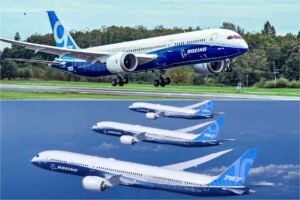
The Boeing 787 Dreamliner is manufactured by Boeing Commercial Airplanes and is one of the most advanced commercial aircraft ever developed. It completed its first flight on 15 December 2009 and entered commercial service with All Nippon Airways (ANA) on 26 October 2011. The Dreamliner was designed to make long-distance travel more efficient, comfortable, and environmentally friendly. Its lightweight composite structure, modern technology, and fuel-efficient design have made it one of the most popular wide-body aircraft in the world. In 2026, the Boeing 787 continues to be a key aircraft for airlines operating medium- and long-haul international routes.
Technical Specifications: The Boeing 787 Family is powered by either the General Electric GEnx or Rolls-Royce Trent 1000 engines, depending on the airline’s choice. It is available in three main variants: 787-8, 787-9, and 787-10. Depending on the model, the aircraft can carry 242 to 336 passengers and has a maximum range of approximately 14,140 km (7,635 nautical miles). Its lightweight carbon-fiber composite structure helps reduce fuel consumption while improving overall performance and efficiency.
Operations: The Boeing 787 is operated by more than 80 airlines across the world and serves hundreds of international routes every day. It is commonly used for long-haul flights connecting major cities across Asia, Europe, North America, South America, Africa, and Oceania. Airlines value the Dreamliner for its excellent fuel efficiency, lower operating costs, and high reliability. It also allows airlines to open new long-distance routes that were previously less economical with older aircraft.
Key Features & Major Achievements: The Boeing 787 introduced several new technologies that changed modern commercial aviation. Around 50% of its structure is made from carbon-fiber composite materials, making it lighter and more fuel-efficient than many earlier wide-body aircraft. It also features larger windows, improved cabin humidity, lower cabin altitude, quieter engines, and advanced flight systems to improve passenger comfort. The Dreamliner has become one of the world’s fastest-selling wide-body aircraft families and continues to receive strong demand from airlines around the globe.
Why It Is Ranked #5: The Boeing 787 Dreamliner is ranked No. 5 because it brought a new generation of technology to commercial aviation. Its combination of fuel efficiency, advanced materials, passenger comfort, and long-range performance has made it one of the most successful modern airliners ever built. Airlines around the world continue to rely on the Dreamliner for efficient international operations, making it an important aircraft in today’s aviation industry and one of the greatest commercial airliners of the 21st century.
4. Boeing 747 (Queen of the Skies)

The Boeing 747 is manufactured by Boeing Commercial Airplanes and is one of the most iconic aircraft ever built. It completed its first flight on 9 February 1969 and entered commercial service with Pan American World Airways (Pan Am) on 22 January 1970. Known as the “Queen of the Skies,” the Boeing 747 was the world’s first successful jumbo jet. Its unique upper deck and four-engine design changed international air travel by making long-distance flights more affordable and accessible. Although passenger production ended in 2022, the aircraft remains in service with several airlines and cargo operators in 2026.
Technical Specifications: The Boeing 747 Family is powered by Pratt & Whitney JT9D, General Electric CF6, Rolls-Royce RB211, or General Electric GEnx-2B engines, depending on the variant. It can carry 366 to over 600 passengers, depending on the seating layout, making it one of the largest passenger aircraft ever built. The aircraft has a maximum range of approximately 14,800 km (8,000 nautical miles). It was produced in several versions, including the 747-100, -200, -300, -400, and the modern 747-8.
Operations: For more than five decades, the Boeing 747 served as the backbone of international air travel. It has been operated by many of the world’s leading airlines on long-haul routes connecting major cities across every continent. Today, while passenger services have reduced, the 747-8F remains one of the world’s most popular large cargo aircraft. The aircraft has also been used for government transport, military missions, scientific research, and as the famous Air Force One platform in special versions.
Key Features & Major Achievements: The Boeing 747 revolutionized commercial aviation by introducing the jumbo jet era. Its wide-body design allowed airlines to carry far more passengers than previous aircraft, reducing travel costs and increasing global connectivity. The aircraft became one of the most recognizable symbols of aviation and remained in production for more than 50 years. It achieved outstanding success in both passenger and cargo operations and continues to play an important role in global air freight through the 747-8 Freighter.
Why It Is Ranked #4: The Boeing 747 is ranked No. 4 because of its historic impact on the aviation industry. It transformed long-haul travel, connected countries across the world, and became one of the most famous aircraft ever built. Its impressive size, long service life, excellent performance, and lasting influence on commercial aviation have earned it the title “Queen of the Skies.” Even after passenger production ended, the Boeing 747 remains a legendary aircraft that continues to serve the aviation industry in cargo and special operations.
3. Boeing 777 Family

The Boeing 777 Family is manufactured by Boeing Commercial Airplanes, one of the world’s leading aircraft manufacturers. The aircraft completed its first flight on 12 June 1994 and entered commercial service with United Airlines on 7 June 1995. Designed for long-haul international travel, the Boeing 777 quickly became one of the most trusted wide-body aircraft in aviation history. Its excellent performance, high passenger capacity, and long range have made it a favorite among airlines. Even in 2026, the Boeing 777 and the latest 777X family continue to play an important role in global aviation.
Technical Specifications: The Boeing 777 Family is powered by some of the world’s most powerful commercial jet engines, including the GE90, Rolls-Royce Trent 800, Pratt & Whitney PW4000, and the new GE9X engine for the 777X series. Depending on the variant, the aircraft can carry 301 to 426 passengers and fly up to approximately 16,200 km (8,745 nautical miles). It is available in passenger and freighter versions, making it suitable for both airline and cargo operations across the world.
Operations: The Boeing 777 is operated by more than 70 airlines in countries across every continent. It is widely used for long-distance international routes connecting major cities around the world. Airlines choose the 777 because of its excellent reliability, fuel efficiency for its size, and outstanding long-range performance. It is also one of the most popular aircraft for premium international travel, offering comfortable cabins and carrying millions of passengers every year.
Key Features & Major Achievements: The Boeing 777 was the world’s first commercial aircraft designed completely using computer-aided design (CAD) technology. It is famous for its advanced flight systems, spacious cabin, and powerful GE90 engines, which remain among the largest jet engines ever built. The 777 has earned an excellent safety and reliability record over nearly three decades of service. It has also become one of the world’s best-selling wide-body aircraft families, with passenger and cargo versions operating successfully across the globe.
Why It Is Ranked #3: The Boeing 777 Family is ranked No. 3 because it has transformed long-haul commercial aviation with its exceptional range, reliability, and efficiency. Airlines around the world trust the 777 for some of their longest and busiest international routes. Its strong safety record, high passenger capacity, modern technology, and continued success through the new 777X program make it one of the greatest and most successful airliners ever built.
2. Boeing 737 Family

The Boeing 737 Family is manufactured by Boeing Commercial Airplanes, one of the world’s leading aircraft manufacturers based in the United States. The aircraft completed its first flight on 9 April 1967 and entered commercial service with Lufthansa on 10 February 1968. Since then, the Boeing 737 has become one of the most recognizable commercial aircraft in aviation history. Over the years, Boeing has introduced several generations, including the Original, Classic, Next Generation (NG), and the latest 737 MAX series. Even in 2026, the Boeing 737 Family remains one of the most widely used narrow-body aircraft for short and medium haul flights around the world.
Technical Specifications: The Boeing 737 Family is available in several variants designed for different airline requirements. Depending on the model, it is powered by Pratt & Whitney JT8D, CFM56, or CFM LEAP-1B engines. The aircraft can carry 85 to 230 passengers based on the seating configuration. Its maximum range is approximately 6,570 km (3,550 nautical miles), making it suitable for domestic and regional international routes. The latest 737 MAX series offers better fuel efficiency, lower emissions, quieter engines, and improved operating performance compared to previous generations.
Operations: The Boeing 737 Family is operated by hundreds of airlines in more than 120 countries across the world. It is commonly used for domestic, regional, and short international flights because of its reliability and low operating costs. Millions of passengers travel on Boeing 737 aircraft every week, making it one of the busiest commercial aircraft families in service. Airlines appreciate its quick turnaround time, proven performance, and ability to operate from a wide variety of airports, including those with shorter runways.
Key Features & Major Achievements: The Boeing 737 has played a major role in the growth of modern commercial aviation for more than five decades. It is known for its dependable performance, simple maintenance, and continuous improvements through multiple generations. The aircraft family has received more than 16,000 orders and delivered over 12,000 aircraft, making it one of the highest-selling commercial aircraft families ever built. The latest 737 MAX models feature advanced engines, modern avionics, improved aerodynamics, and lower fuel consumption, helping airlines reduce operating costs while improving environmental performance.
Why It Is Ranked #2: The Boeing 737 Family is ranked No. 2 because of its remarkable history, worldwide popularity, and long-term commercial success. For decades, it has been the backbone of many airlines and has safely transported billions of passengers around the globe. Its combination of reliability, efficiency, and versatility has made it one of the most trusted aircraft families ever produced. Although the Airbus A320 Family currently leads in overall commercial success, the Boeing 737 continues to be one of the most important and successful airliners in aviation history.
1. Airbus A320 Family

The Airbus A320 Family is manufactured by Airbus SE, one of the world’s leading aerospace companies headquartered in Toulouse, France. The aircraft completed its first flight on 22 February 1987 and entered commercial service with Air France on 18 April 1988. It was designed to provide airlines with a modern, fuel-efficient, and reliable aircraft for short- and medium-haul routes. The A320 Family introduced advanced technology that changed the commercial aviation industry and quickly became a favorite among airlines worldwide. Over the years, Airbus expanded the family with the A318, A319, A320, A321, and the latest neo variants, offering improved performance and lower fuel consumption. Even in 2026, the A320 Family continues to dominate the global narrow-body aircraft market.
Technical Specifications: The Airbus A320 Family is available in several variants to meet different airline requirements. Depending on the model, it is powered by CFM International CFM56, CFM LEAP-1A, Pratt & Whitney PW1100G-JM, or IAE V2500 engines. The aircraft can carry 100 to 244 passengers and has a maximum range of approximately 8,700 km (4,700 nautical miles). It is designed for both domestic and medium-haul international routes, offering excellent fuel efficiency and lower operating costs. The latest A320neo family features new-generation engines, improved aerodynamics, and modern wingtip devices called Sharklets, helping airlines reduce fuel consumption and maintenance expenses while improving overall performance.
Operations: Today, the Airbus A320 Family is operated by more than 300 airlines in over 150 countries, making it one of the most widely used commercial aircraft families in the world. It performs thousands of flights every day, connecting major cities as well as regional destinations across every continent. Airlines choose the A320 because of its outstanding reliability, excellent dispatch performance, and lower operating costs. The aircraft is suitable for low-cost carriers, full-service airlines, charter operators, and even business aviation. Its flexibility allows airlines to operate profitable routes while providing passengers with a safe and comfortable travel experience.
Key Features & Major Achievements: The Airbus A320 Family revolutionized commercial aviation by becoming the first narrow-body aircraft to feature a fully digital fly-by-wire flight control system. It also introduced a modern glass cockpit, advanced avionics, quieter cabins, and highly fuel-efficient engines. The latest A320neo models further improve efficiency with reduced emissions and lower operating costs. By 2026, the A320 Family has received more than 20,000 orders and delivered over 12,600 aircraft, making it the best-selling commercial jet family in aviation history. Its combination of innovation, reliability, and continuous development has made it one of the greatest achievements in modern aerospace engineering.
Why It Is Ranked #1: The Airbus A320 Family is ranked No. 1 because it has achieved unmatched commercial success and worldwide popularity. It has become the preferred aircraft for hundreds of airlines due to its advanced technology, excellent fuel efficiency, strong safety record, and low operating costs. With record-breaking orders, thousands of successful deliveries, and millions of passengers carried every year, the A320 Family has set the global standard for modern narrow-body aviation. Even after nearly four decades of service, it continues to lead the industry, making it the most successful airliner family ever built in the world.
Note: These aircraft represent the highest standards of commercial aviation. Their innovation, reliability, and worldwide service have earned them a place among the greatest Successful Airliners in history. As aviation continues to evolve, these Successful Airliners will always be remembered for their lasting impact on the industry. Their remarkable achievements continue to inspire future generations and strengthen the legacy of the world’s most Successful Airliners.